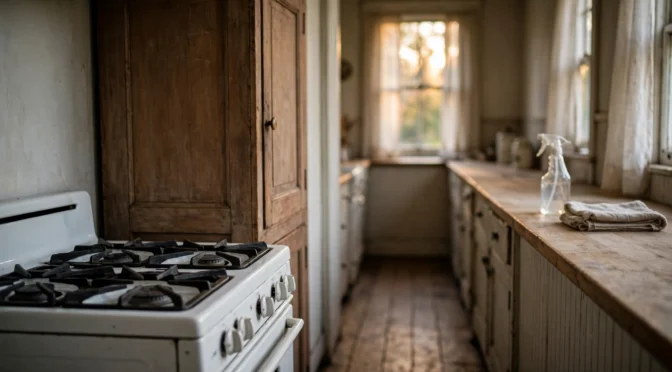
Rubbing alcohol can kill a cockroach on direct contact by damaging its waxy outer layer and causing it to dry out. But it is flammable, does not reliably kill eggs inside their cases, and will not eliminate the hidden population. Spraying it in a kitchen creates a risk without solving the infestation.
If you have tried everything and still see roaches in your Madeira kitchen, the next step is to find where they are breeding and what is feeding them, not try another homemade spray.
Does Rubbing Alcohol Kill the Roach You Actually See?
Yes. Isopropyl alcohol dissolves the protective waxy layer on a cockroach’s exoskeleton, allowing it to lose moisture. But the alcohol must contact the insect. That limitation matters more than the strength printed on the bottle. Killing one roach tells you little about what remains behind the refrigerator or inside a cabinet gap. A contact killer cannot reach insects it never touches, and it leaves no dependable protection against the next ones that emerge.
Is Spraying Alcohol Safe Anywhere Near the Stove?
No. Alcohol spray and its vapors can ignite near a burner or standing pilot light. The same caution applies around a furnace or water heater. Spraying a cabinet beside a gas range puts a flammable liquid close to an ignition source.
A September 5, 2025, Times of India article discussing alcohol as a roach remedy acknowledges that rubbing alcohol is flammable. That hazard is reason enough not to use it as a kitchen pest spray.
Why a Spray Bottle Changes the Risk
A spray bottle spreads alcohol into droplets that evaporate readily and can settle on nearby surfaces. Avoid spraying near flames or hot appliances, and never wipe a recently used stovetop with alcohol. If you have already used it, ventilate the room and let surfaces dry completely before lighting anything.
Where Galley Kitchens Make It Worse
In a narrow Madeira kitchen, the cabinet where you spotted a roach may sit directly beside the range. If that range has a standing pilot, the flame remains an ignition source even when you are not cooking. There is no useful trade-off here: killing one visible insect does not justify spraying alcohol beside it.
Can Alcohol Get Through a Cockroach Egg Case?
Not reliably. Cockroach egg cases, called oothecae, are small, brown capsules containing multiple eggs. Look for them behind appliances or in cabinet corners, rather than only on exposed surfaces.
A quick contact spray does not reliably penetrate that protective case. Young roaches can hatch after the adults you sprayed are gone, which explains why a kitchen may seem quiet before activity returns.
What Signs Show the Roach You Saw Is Only the Edge?
Repeated sightings and evidence near hiding places warrant an inspection. Check for these signs rather than judging the problem by how many roaches you can spray:
- Roaches moving in the open during the day.
- Roaches scattering when you switch on a kitchen light after dark.
- Droppings resembling pepper or coffee grounds inside cabinets.
- Brown egg cases behind appliances.
- A musty, oily smell near activity.
Cincinnati’s humid summers and the warm refuge homes offer in colder months let roaches stay active most of the year. German cockroaches breed indoors, often close to kitchen moisture and food. Larger American and smokybrown cockroaches more often enter from outside, so identification changes the treatment plan. Cockroach droppings and shed skins can also trigger allergies and asthma, especially in children.
Why Does a Spray Leave the Colony Behind?
Cockroaches shelter in narrow spaces, including appliance housings and wall voids. Spraying the counter does not reach those hiding places. Alcohol is a contact killer, not a lasting treatment for insects that emerge later.
Spraying can also scatter survivors into other hiding places. In apartments, gaps around shared plumbing may connect one unit to another. Tell the property manager about repeated sightings so inspection is not limited to your kitchen.
What Ends an Infestation Instead of One Bug?
The work starts with identifying the roach and locating its hiding places. A treatment plan then addresses the breeding population while removing the food and water that support it.
- Targeted gel bait placed near hiding places according to the product label.
- Insect growth regulators used where appropriate to disrupt development and reproduction.
- Sanitation that removes accessible food and corrects moisture problems.
- Exclusion that closes routes into rooms or adjoining units.
Gel Bait and Growth Regulators
Gel bait lets foraging roaches feed near their hiding places; some baits also expose other roaches through secondary transfer. Growth regulators interfere with development rather than simply killing the insect you see. Product selection and placement matter, so follow the label and avoid spraying other products over bait.
Sanitation While You Bait
Remove competing food while treatment is underway. Grease around a range and pet food left overnight give roaches something to eat besides bait. Repair a slow sink leak too: moisture can keep a hiding place suitable even after you clear the crumbs.
Sealing Gaps in Older Homes
Exclusion means closing the openings pests use to enter or move through a building. Inspect gaps around plumbing and cabinet bases, then use materials appropriate for each opening. Do not seal electrical equipment or appliance ventilation openings yourself; ask the appropriate professional.
Boric acid and diatomaceous earth are not harmless substitutes for alcohol. Dust can be inhaled, and boric acid can be dangerous if swallowed. Around children or pets, avoid homemade mixtures and use only products labeled for the intended pest and location.
When Should You Call a Licensed Technician, and What Should You Ask?
Call when you find egg cases or roaches keep returning despite your efforts. You do not need to spend another week spraying to establish that a contact remedy is failing. In a shared building, notify the property manager as well.
Before agreeing to treatment, ask for clear answers:
- Are you licensed to apply pesticides in the state where the property is located?
- Do you carry liability insurance?
- What does the plan include, including sanitation and exclusion advice?
- What does it cost, and is follow-up included?
- What precautions must I take for children and pets?
Sure Thing Pest Control has been locally owned and family-run since 1997. Our two owners bring over 80 years of combined pest control experience, and our background-checked technicians complete more than 40 hours of additional training annually. We offer kid and pet friendly treatments and ongoing scheduled protection through The Sure Cure program.
For recurring roaches in your Madeira home, call 513.247.0030 for a free estimate, or send the quote request form and select your roach problem. You can review our cockroach extermination services and our credentials before deciding.
Frequently asked questions
Does rubbing alcohol kill cockroaches?
Yes, rubbing alcohol can kill a cockroach on direct contact by damaging its protective outer layer. It does not reliably kill eggs inside their cases or eliminate hidden roaches, so it is not an infestation treatment.
Is it dangerous to spray rubbing alcohol in a kitchen?
Yes. Alcohol spray and vapors can ignite near burners, pilot lights or hot appliances. Do not use it as a kitchen pest spray or to wipe a recently used stovetop.
Can alcohol kill cockroach eggs?
Alcohol does not reliably kill eggs protected inside a cockroach egg case. Young roaches may hatch after spraying, so finding egg cases calls for inspection and treatment beyond a contact spray.
Do cockroaches come out during the day?
Yes, cockroaches sometimes appear during daylight. Repeated daytime sightings, especially with droppings or egg cases, can indicate an established population and warrant an inspection.
What should I use instead of rubbing alcohol?
Use a treatment plan based on identification and inspection, typically involving targeted bait and, where appropriate, growth regulators. Removing food and moisture and sealing entry gaps support that treatment. A licensed technician can determine suitable products and placement around children and pets.