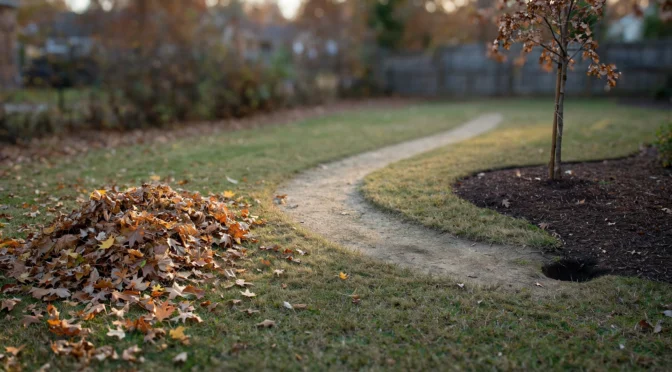
Voles are small, stocky lawn animals with short, furry tails and flattened runways through grass. Rats are much larger, with long, bare tails, and they tend to dig near food or shelter. In a Loveland yard, shallow runways in the turf point toward voles, while holes along the foundation deserve a closer look for rats.
November leaf cleanup often exposes paths that were hidden all summer. Before buying a treatment, photograph the damage and follow the paths to see where they lead. Lawn damage alone is not evidence of rats inside your house.
How Do a Vole and a Rat Differ in Size, Tail and Face?
Look at the tail first. A vole’s tail is short and furry, while a rat’s is long and nearly bare. Voles also have blunt faces with ears partly hidden by fur; rats have more pointed snouts and prominent ears.
| Feature | Vole | Rat |
|---|---|---|
| Approximate length | 4 to 9 inches | 12 to 18 inches |
| Approximate weight | 1 to 2 ounces | Up to about 17 ounces |
| Tail | Short and furry | Long, thick and nearly hairless |
| Snout | Blunt | Pointed |
| Ears | Small, partly hidden in fur | Larger and more prominent |
A quick glimpse rarely gives you a reliable size estimate. Check the yard signs before deciding. If the animal looked mouse-sized with a long tail, our guide to telling house and deer mice apart covers another possibility.
What Do the Runways and Holes Tell You?
A hole by itself does not identify the animal. Follow the route around it and check for clipped grass or soil pushed outside the opening.
Vole runways and holes
Voles leave shallow, flattened runways with grass clipped short along the path. The tracks often wind through dense grass into garden beds. Openings are usually about an inch across, without a mound of excavated soil.
Landscaped Loveland yards can provide cover wherever thick grass meets mulch. Clearing leaves makes those routes easier to see, but newly exposed runways do not necessarily mean the animals just arrived.
Rat burrows and paths
Rat burrows are generally larger, with loose soil outside the opening. Repeated travel can also leave greasy rub marks on surfaces they brush against. Routes beside sheds or along the foundation warrant more attention than an isolated path across the lawn.
What Do Voles and Rats Eat, and Where Does the Damage Show Up?
Voles feed mainly on plants. Rats eat nearly anything people leave out, and garbage and pet food are among their favorite finds. What has been eaten helps explain which animal is using the yard.
Voles girdle young trees and shrubs
In late fall and winter, voles gnaw bark at or just below the soil line. Gnawing that circles a stem is called girdling, and it can kill the plant. Inspect young trunks after snow melts; damage hidden under snow may not become obvious until the plant fails to leaf out in spring.
Rats follow the food
Check for spilled bird seed and accessible garbage before focusing only on burrows. A steady food supply beside a sheltered spot, such as a woodpile or shed, gives rats a reason to remain. Removing food helps, but established activity may also require trapping and exclusion.
Do Voles Get Inside a House Like Rats Do?
Voles rarely make their way into a house, and their damage stays mostly in the lawn and plantings. Rats do come indoors, where they nest in wall voids and chew wiring or wood.
Check the garage and foundation if outdoor paths lead toward the house. Droppings indoors or gnawed wiring change the situation from a yard issue to a reason for a professional inspection.
What Does Cincinnati’s Rat Data Mean for a Loveland Yard?
WKRC reported in November 2025 that Cincinnati ranked 27th on a 2025 “rattiest cities” list based on new service calls about rats or rodents. That is a measure of calls, not a count of rats, and it does not identify what made a hole in your Loveland lawn.
The same report described declining city rat complaints alongside Cincinnati’s sewer-baiting program. If your Loveland home is in Hamilton County, you can file a rodent complaint through Hamilton County Public Health’s online form or by calling the Division of Environmental Health at (513) 946-7847.
What Should You Check Before Deciding It Is Rats or Voles?
Start outside before you disturb anything. Photos that show both an opening and the path leading to it are more useful than a close-up of a hole alone. Work through the checks below in order, because the outdoor signs usually tell you where to look indoors.
- Take photos of the damage before you touch anything. Include a ruler beside each opening when you can do so without touching droppings or disturbing a burrow.
- Compare the openings you find. Small holes without dirt mounds point toward voles, while larger openings with excavated soil point toward rats.
- Follow each path to where it ends. Clipped grass runways suggest voles, and any route that leads toward a building needs a closer inspection.
- Inspect the bark on young trunks at the soil line, especially after snow melts, and note any gnawing that circles the stem.
- Check accessible indoor areas such as the garage, and note droppings or gnaw marks without handling them.
- Consider moles before you settle on either animal. Raised soil ridges and volcano-shaped mounds point toward moles, which eat insects rather than gnawing plants.
A lawn can show runways, holes and mounds at once, so check each sign against its own step rather than deciding from the first one you notice.
What Should You Do in the Yard Before the Ground Freezes?
Use fall cleanup to remove cover around vulnerable plants and food near buildings. Exclusion means closing the openings rodents use to enter, not simply treating animals after they get inside.
- Pull mulch back from the trunks of young trees. Leave a few inches of bare space between mulch and bark, so voles have less cover while they feed.
- Clear the leaves from around young tree bases and keep the grass short near the trunk.
- Secure garbage and clean up spilled seed, and avoid leaving pet food outdoors.
- Seal gaps at the foundation and around sheds with chew-resistant materials, and do the work only after the animals are gone. Our guide to getting rid of a rodent infestation explains the steps.
Targeted trapping may take several weeks of checking and adjustment. Keep watching for fresh activity rather than judging success by old runways that remain visible.
When Should You Call a Licensed Pro Instead of Waiting?
Lawn holes alone usually do not require an exterminator visit. Start with the yard checks, but seek help if fresh damage continues or bark gnawing threatens young trees. Do not wait until spring if damage is progressing.
Droppings in the garage or rat activity near the house call for a licensed professional. An inspection should identify likely entry points and food sources before a treatment plan is chosen. Facility managers should treat indoor evidence as a building issue, even when the first signs appeared outdoors.
Do not broadcast rodenticide across open turf. It can expose children and pets to poison and harm wildlife that eat poisoned rodents. Product selection and placement need to account for those risks.
Sure Thing Pest Control is locally owned and family-run, with licensed technicians who complete over 40 hours of additional training annually. For signs near your house, review our rodent control and exclusion service and call 513.247.0030 for a free estimate.
Frequently asked questions
What is a vole rat?
“Vole rat” is not a separate animal; people generally mean either a vole or a rat. A vole’s tail is short and furry, and its face is blunt. A rat is much larger, with a long, nearly hairless tail.
Will voles get into my house through the holes in my yard?
Voles rarely enter houses; they generally remain outdoors and feed on plants. Lawn holes alone do not mean your home is infested. Holes leading toward a foundation opening, especially with indoor droppings, deserve inspection for rats or other rodents.
Is poison safe to put on lawn holes for voles or rats?
Do not scatter rodenticide over the lawn or put it into unidentified holes. It can expose children and pets to poison and harm wildlife that eat affected rodents. Identify the animal first, then choose targeted control with a licensed professional when needed.
Do holes in my lawn mean I need an exterminator right away?
Usually not, if the only evidence is shallow lawn runways. Check nearby plants and the foundation before deciding. Indoor droppings or rat activity near the house are reasons to arrange an inspection.
How do I tell voles from moles?
Moles push up raised soil ridges and may leave volcano-shaped mounds. Voles leave flattened paths through grass and gnaw plants. Identify which signs you have before treating, because control for one animal may not address the other.